1. A quick first call
The call covers what agent was used, where, and whether the air system was running. Photos taken from the doorway can help.
Maplewood, MO · St. Louis County
Are tenants, pets or staff in Maplewood unable to return because of irritant residue? Call (877) 812-4220. Cleaners decontaminate surfaces and document the work for landlords and insurers.
If anyone is in danger, call 911 first. For a suicide crisis, call or text 988.
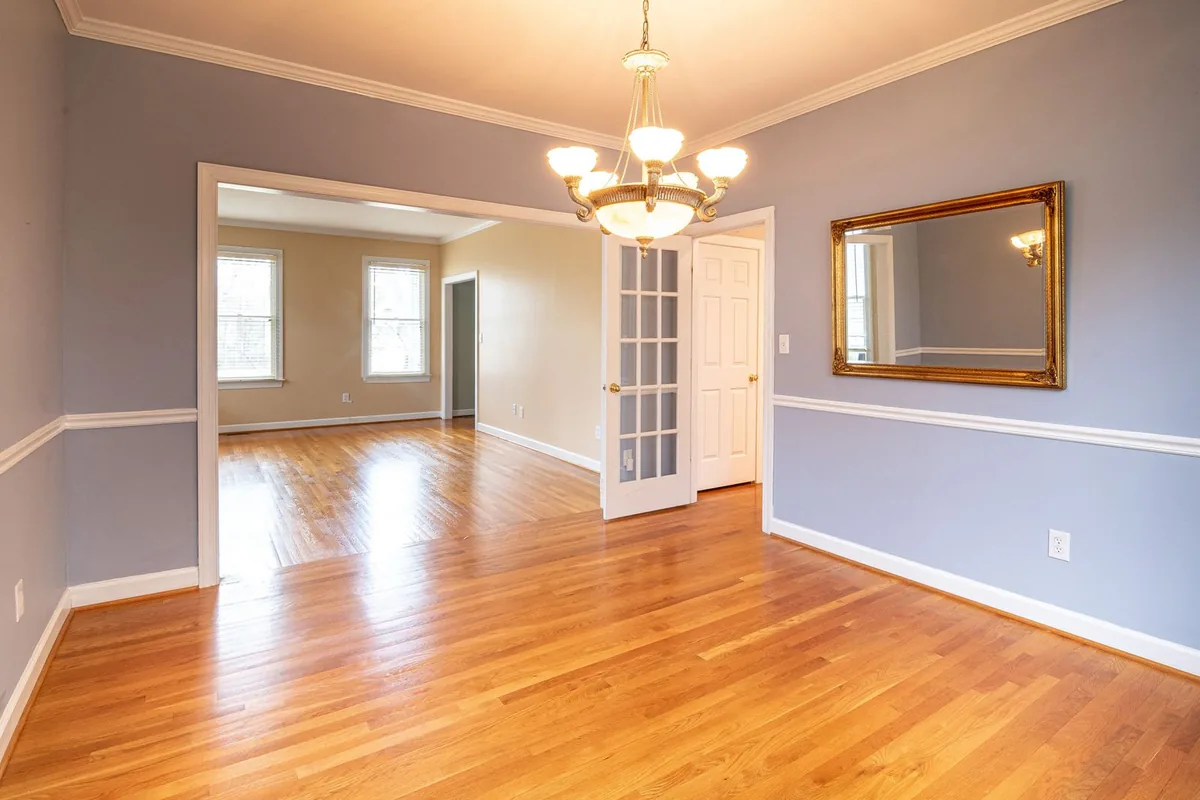
Removing tear gas from a house means more than opening windows. Fine particles settle on carpet, curtains, vents and furniture, and they can irritate again whenever they are disturbed.
Families, landlords, employers and property managers in Maplewood and the rest of St. Louis County can call Maplewood Biohazard Cleanup Help for tear gas cleanup. You get crews that test the space, remove residue and check the result.
About 60% of households in Maplewood are renters, so tear gas or spray in a shared building often involves a landlord and neighbors. Whatever the season in Maplewood, turn off the air system after an incident so it does not spread residue.
The work often covers:
The call covers what agent was used, where, and whether the air system was running. Photos taken from the doorway can help.
Carpet, curtains, bedding and furniture are treated if possible and removed if not.
Residue is lifted from surfaces rather than wiped around. Fabrics are treated or removed, and vents are cleaned.
The team checks the result and gives you records you can share with insurers or landlords.
Tear gas & pepper spray cleanup in Maplewood, MO typically costs $1,500 to $50,000, depending on the size of the affected area and the materials involved.
Time matters. Residue that has sat for a while may have settled into fabrics and cracks, which takes more work to remove.
| Type of job | Typical range |
|---|---|
| Small apartment | $1,500 - $4,000 |
| Single-family home | $3,000 - $10,000+ |
| Commercial property | $10,000 - $50,000+ |
Estimates only, not a quote. Sources: Tear gas cleanup cost guide. Price drivers include property size, air system involvement, materials affected, time since exposure. Call (877) 812-4220 to talk through the job.
It depends on the agent, the room and the surfaces. Some residue fades in a few days, while some types cling to fabrics and carpet much longer. If burning returns when you go back in, the residue is still there.
Not reliably. Vinegar and bleach do not neutralize these agents, and mixing products can release harmful fumes. Plain water can spread residue. Fresh air and professional removal work better.
Ask what training the crew has, how it disposes of waste, how it documents the work and what protective gear it uses. A good company explains the plan before work starts.
The cost depends on the size of the area, the type of agent, how much soft furniture and carpet was reached and whether the air system ran. The cleanup team sets its price after seeing the space.
No. Water can spread residue or make irritation worse, and runoff can carry it into floors, walls and vents. Leave the area and keep others out, then call a cleanup team.
If the heating or cooling system ran, it may have pulled irritant particles into vents and ducts and moved them to other rooms. Crews isolate and clean the system so residue does not spread again.
One call starts the process, and no details are required up front.
Call (877) 812-4220